How to Remove Hard Water Stains From Every Surface
Last updated: November 6, 2026
To remove hard water stains, use a mild acid such as white vinegar, lemon juice or citric acid to dissolve the mineral buildup. Spray or soak the stain, let it sit for 10 to 15 minutes, scrub gently with a non-scratch sponge or a baking soda paste, then rinse and dry. For heavy buildup, use a commercial lime and scale remover. To stop stains from coming back, treat the water with a water softener.
Hard water stains are the white, chalky spots and crust that build up on glass, faucets, sinks and toilets when water evaporates and leaves calcium and magnesium behind. Here is how to get rid of hard water stains on every common surface, safely, and how to keep them from returning.
What you need
- White vinegar (or lemon juice or citric acid)
- Baking soda
- Spray bottle, non-scratch sponge, old toothbrush, microfiber cloths
- Rubber gloves
- Optional: commercial calcium, lime and rust remover
Safety: never mix vinegar or other acids with bleach. It releases toxic chlorine gas.
How to Remove Hard Water Stains From Glass Shower Doors
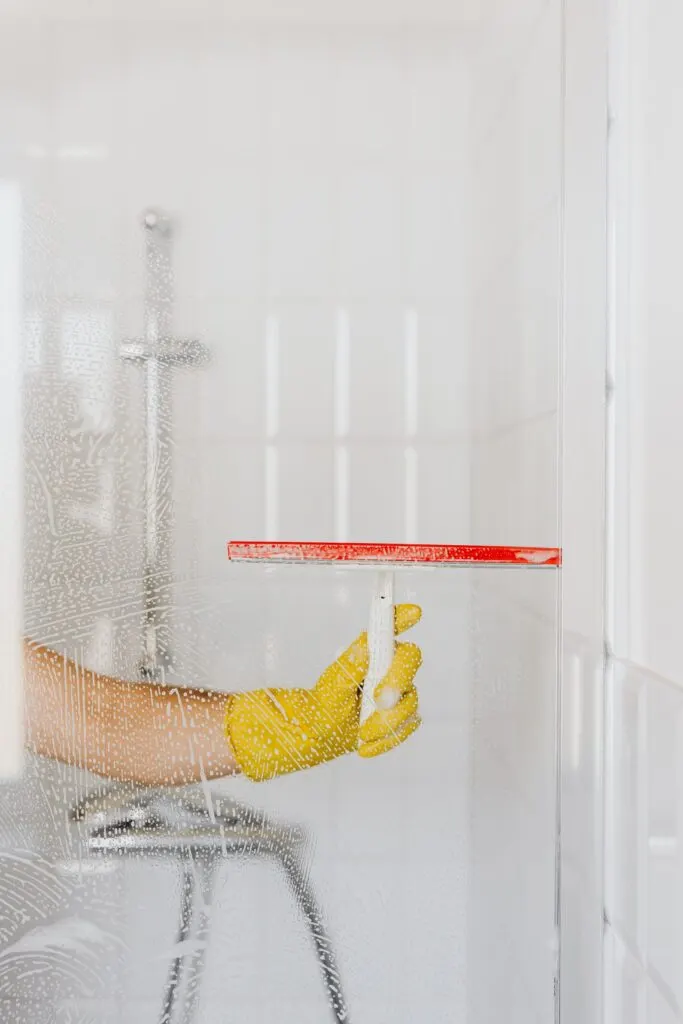
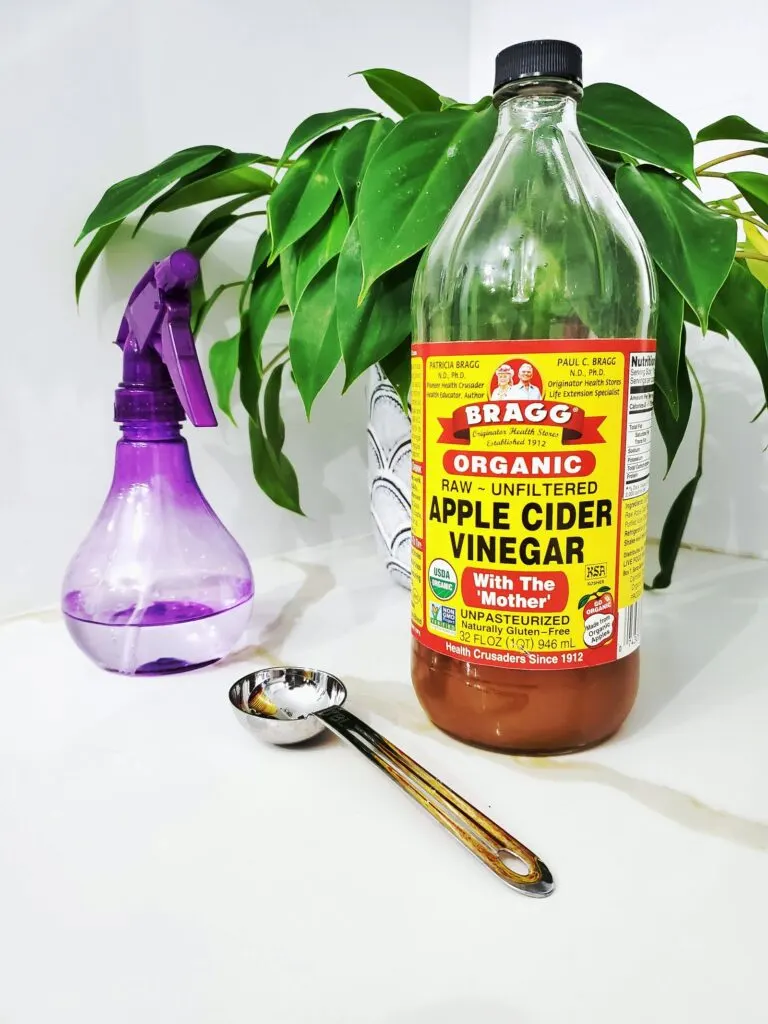
- Fill a spray bottle with warm white vinegar.
- Spray the glass generously and let it sit for 10 to 15 minutes. For heavy buildup, cover it with paper towels soaked in vinegar.
- Sprinkle baking soda on a damp non-scratch sponge and scrub in circles.
- Rinse with warm water.
- Dry with a squeegee or microfiber cloth to prevent new spots.
How to Remove Hard Water Stains From Faucets and Fixtures
- Soak a cloth or paper towel in vinegar and wrap it around the faucet or fixture.
- Leave it for 30 to 60 minutes.
- Scrub around the base and spout with an old toothbrush.
- Rinse and buff dry.
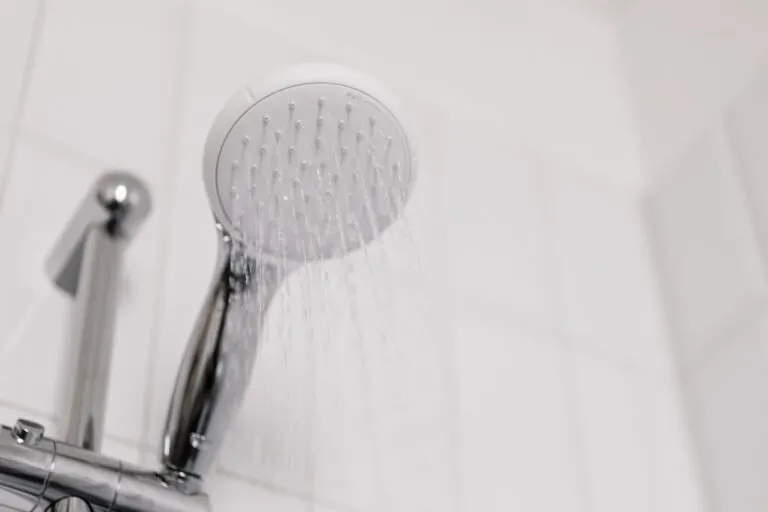
For a clogged shower head, soak it in a bag of vinegar for a few hours, then run the water to flush it.
How to Remove Hard Water Stains From Sinks and Tubs
- Porcelain and acrylic: spray vinegar, let it sit, then scrub with a baking soda paste.
- Stainless steel: wipe with diluted vinegar, then rinse and dry along the grain.
- Natural stone (marble, granite): do not use vinegar or lemon. Use a pH-neutral stone cleaner.

How to Remove Hard Water Stains From a Toilet
- Turn off the water and flush to lower the water level.
- Pour 1 to 2 cups of vinegar onto the ring and let it sit for at least an hour, or overnight for old stains.
- Sprinkle baking soda and scrub with a toilet brush or pumice stone made for toilets.
- Turn the water back on and flush.
How to Remove Hard Water Spots From Glasses and Dishes
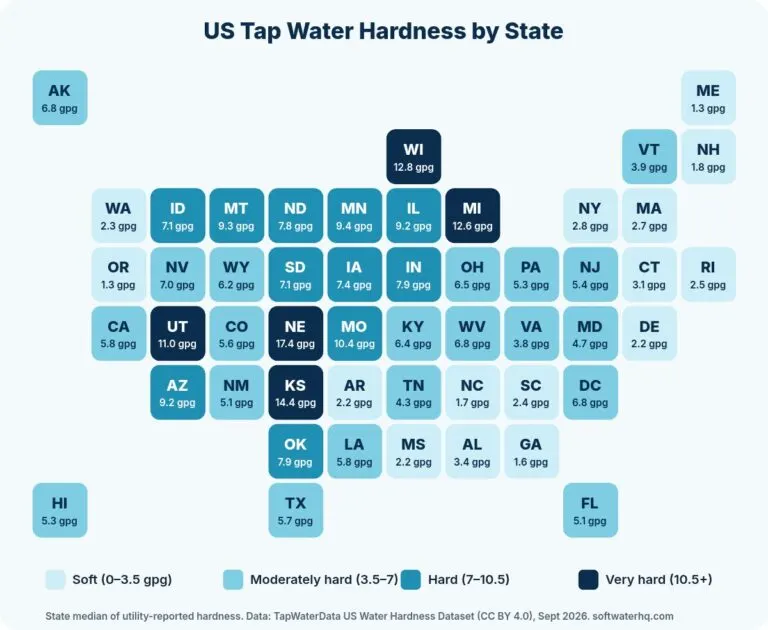
Soak cloudy glasses in warm white vinegar for 15 minutes, then wash as usual. In the dishwasher, use a rinse aid and consider a detergent made for hard water. If spots keep coming back, your water is likely hard; check our water hardness by ZIP code lookup.
Best Hard Water Stain Removers Compared
| Remover | Best for | Avoid on |
|---|---|---|
| White vinegar | Glass, faucets, tile, toilets | Natural stone, some metal finishes |
| Lemon juice or citric acid | Faucets, kettles, small areas | Natural stone |
| Baking soda paste | Gentle scrubbing on most surfaces | Very delicate finishes |
| Commercial lime and scale remover | Heavy buildup | Follow the label; test first |
| Stone-safe cleaner | Marble, granite, travertine | Not strong on heavy scale |
How to Prevent Hard Water Stains
- Squeegee shower glass and wipe faucets dry after use.
- Use a daily shower spray.
- Fix dripping faucets and running toilets.
- Treat the water: a water softener removes the minerals that cause stains. See what size you need. A salt-free system reduces scale but may not stop spots.
Not sure if your water is hard? Read hard water vs soft water.
Frequently Asked Questions
What dissolves hard water stains?
Mild acids dissolve the calcium and magnesium in hard water stains. White vinegar is the most common home remedy; lemon juice and citric acid also work. For heavy buildup, use a commercial calcium, lime and rust remover and follow the label.
How do you remove hard water stains from glass shower doors?
Spray undiluted white vinegar (warm works best), let it sit for 10 to 15 minutes, scrub with a non-scratch sponge or a paste of baking soda, then rinse and dry with a squeegee or microfiber cloth.
Can I use vinegar on all surfaces?
No. Vinegar and other acids can etch natural stone like marble, granite and travertine, and can damage some finishes. Use a stone-safe cleaner on those surfaces and test any cleaner on a small hidden spot first.
How do I prevent hard water stains?
Squeegee or wipe surfaces after use, use a daily shower spray, and fix dripping faucets. The only long-term fix is to treat the water itself with a water softener.
Will a water softener remove existing hard water stains?
No. A softener stops new stains from forming, but existing buildup still needs to be cleaned off. Once it is cleaned, soft water makes it far easier to keep surfaces clean.
The Bottom Line
Vinegar, time and gentle scrubbing remove most hard water stains from glass, faucets, sinks and toilets. Use stone-safe cleaners on marble and granite, and never mix acids with bleach. To stop stains for good, treat the cause with a water softener.