What Is Hard Water? Causes, Signs and How to Fix It
Last updated: November 5, 2026 · Sources: USGS, WHO
Hard water is water that contains high levels of dissolved minerals, mainly calcium and magnesium. It picks them up as it moves through rock like limestone, chalk and gypsum. Water with more than about 120 mg/L (7 grains per gallon) of hardness is generally considered hard. It is safe to drink, but it leaves scale on fixtures, spots on dishes and can make soap less effective.
If you have ever scrubbed white crust off a faucet or wondered why your shampoo won’t lather, there is a good chance you have hard water. This guide explains what hard water is, what causes it, how hard is “too hard,” how it affects your home, and what you can do about it.
Hard water at a glance
- What it is: water high in dissolved calcium and magnesium
- Is it safe? Yes. The EPA sets no health limit for hardness.
- Hard starts at: about 121 mg/L, or 7 grains per gallon (GPG)
- Common signs: scale, spotty dishes, soap scum, dry skin and hair
- Main fix: a water softener for the whole home
What Is Hard Water?
All natural water contains some dissolved minerals. “Hardness” measures how much calcium and magnesium is in it. The more of these two minerals your water carries, the harder it is.
The name comes from how the water behaves: it is “hard” to make soap lather in it. Soft water, on the other hand, has few of these minerals, so soap lathers easily and rinses away clean.
Hardness is usually reported in one of three units:
- mg/L (milligrams per liter, often written as calcium carbonate)
- ppm (parts per million, which is the same number as mg/L for water)
- GPG (grains per gallon, the unit most water softeners use). 1 GPG = 17.1 mg/L.
What Causes Hard Water?
Rain falls as soft water. As it soaks into the ground and flows through soil and rock, it dissolves minerals along the way. Rock types like limestone, chalk, dolomite and gypsum are rich in calcium and magnesium, so groundwater that passes through them becomes hard.
That is why well water and groundwater are often harder than surface water from lakes and rivers. It also explains why hardness depends so much on where you live.

Temporary vs. permanent hardness
- Temporary hardness comes from calcium and magnesium bicarbonates. Boiling removes some of it, which is the white scale you see inside a kettle.
- Permanent hardness comes from sulfates and chlorides. Boiling does not remove it; a softener does.
What Is Considered Hard Water?
The generally accepted scale, used by the U.S. Geological Survey (USGS), sorts water into four groups:
| Classification | mg/L (ppm) | Grains per gallon (GPG) |
|---|---|---|
| Soft | 0 – 60 | 0 – 3.5 |
| Moderately hard | 61 – 120 | 3.5 – 7 |
| Hard | 121 – 180 | 7 – 10.5 |
| Very hard | Over 180 | Over 10.5 |
So if your water report shows more than about 120 mg/L or 7 GPG, you have hard water. Many homeowners start noticing problems from around this level, and they usually get worse above 10.5 GPG.
Hard Water vs. Soft Water: What Is the Difference?
\n
See our full hard water vs soft water comparison.
| Hard water | Soft water | |
|---|---|---|
| Minerals | High calcium and magnesium | Low calcium and magnesium |
| Soap lather | Poor, leaves soap scum | Rich lather, rinses clean |
| Fixtures and glass | White scale and spots | Few or no spots |
| Taste | Can taste slightly mineral | Neutral; softened water may taste slightly salty |
| Appliances | Scale builds up inside | Little to no scale |
| Feel on skin | Can feel dry or squeaky | Feels smooth or “slippery” |
How to Know If You Have Hard Water: Signs to Look For
You don’t need a lab to suspect hard water. Look for these common signs around your home:

- White, chalky scale on faucets, shower heads, glass shower doors and the inside of kettles.
- Spots and cloudy film on dishes and glasses, even after the dishwasher.
- Soap scum rings in tubs and sinks, and soap or shampoo that won’t lather well.
- Dry, itchy skin and dull hair after showering.
- Stiff, scratchy laundry and colors that fade faster.
- Low water pressure from scale narrowing pipes and clogging aerators.
- Higher energy bills, because scale inside a water heater makes it work harder.


Is Hard Water Bad for You?
No, hard water is not considered a health risk. According to the USGS, the calcium and magnesium that make water hard are not toxic, and the U.S. EPA has not set any health-based limit for hardness. The World Health Organization also has no health-based guideline for it.
In fact, calcium and magnesium are essential nutrients, and hard water can provide a small part of what you get each day. Most of your intake still comes from food.
Where hard water can bother people is on the skin and hair. Mineral residue can leave skin feeling dry and hair feeling dull or brittle. Some studies have explored a link between hard water and eczema in children, but the results so far are mixed. If you have a skin condition, talk to a dermatologist.
How Hard Water Affects Your Home
Plumbing and appliances
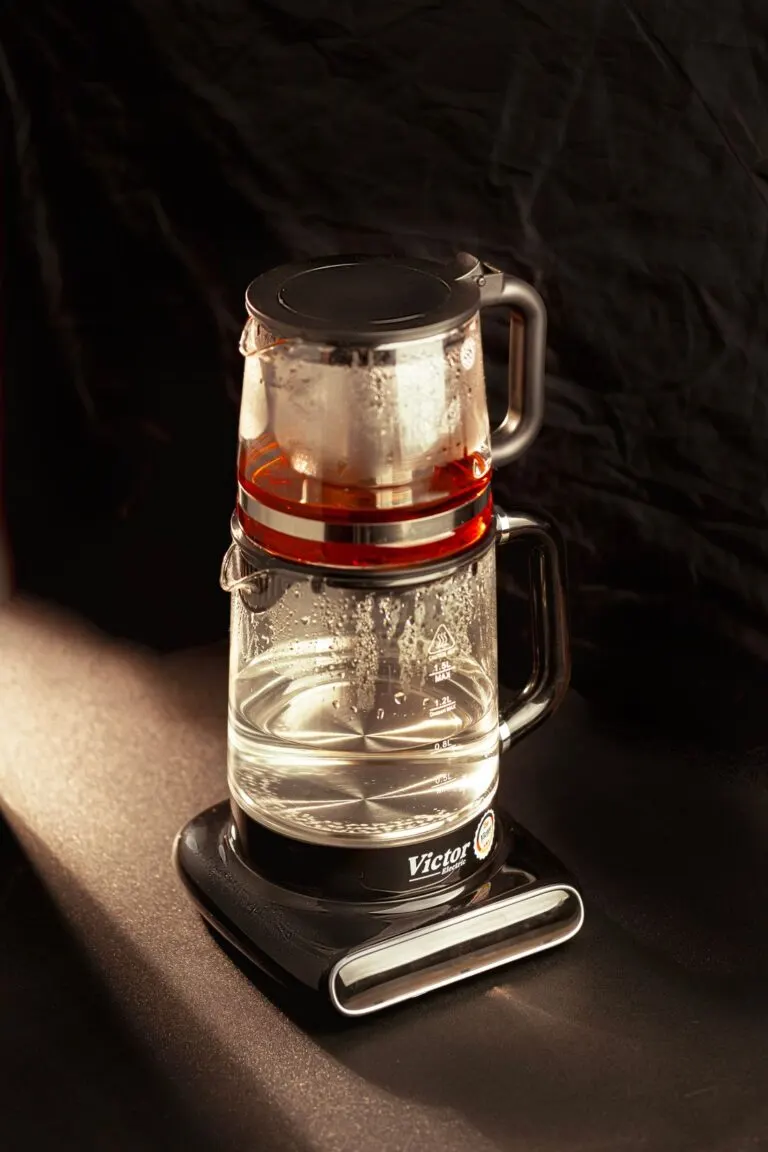
When hard water is heated, minerals come out of the water and form scale. Over time, scale builds up inside water heaters, dishwashers, washing machines, coffee makers and pipes. A layer of scale insulates a heater’s elements, so it uses more energy to heat the same water, and it can shorten the appliance’s life.
Cleaning and laundry
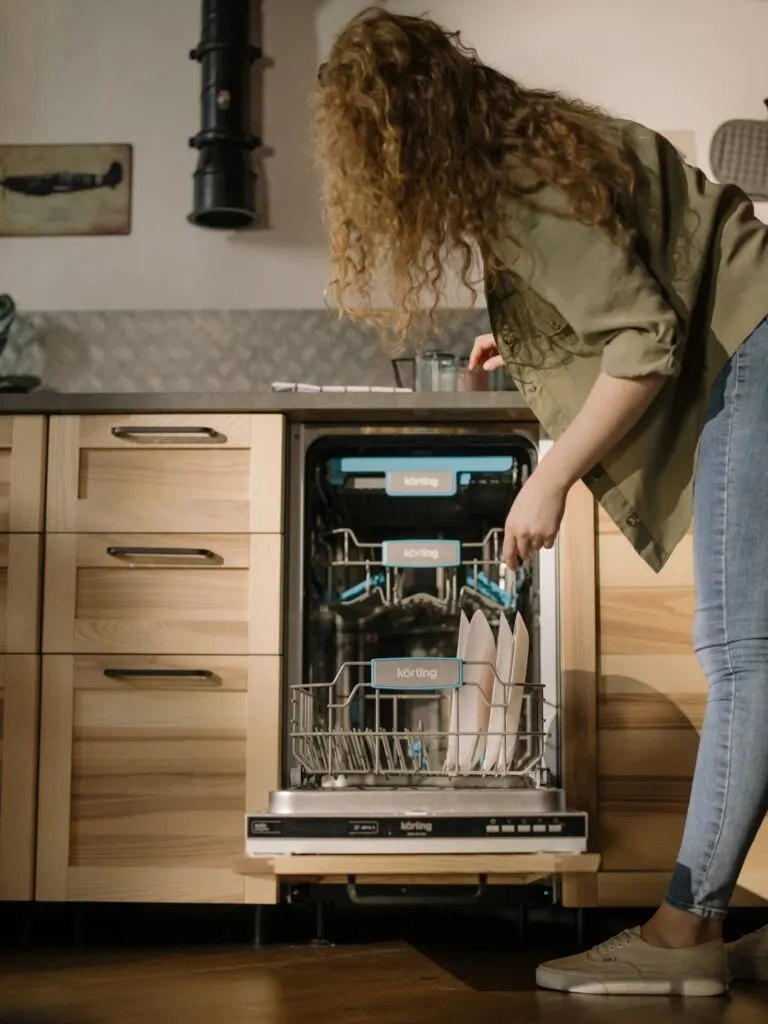
Minerals react with soap and detergent to form scum instead of lather. You end up using more product, and clothes, dishes and surfaces don’t come out as clean.
Fixtures and glass
Water that dries on a surface leaves its minerals behind. That is the white crust on faucets and the spots on glass doors and car windows.
Where Is Hard Water Most Common in the US?
Hardness varies a lot from region to region. USGS hardness maps show the hardest water across much of the Southwest, the Great Plains and the Midwest, in states like Arizona, Nevada, Utah, Texas, Kansas and Indiana. Water tends to be softer in the Pacific Northwest, New England and much of the Southeast.
Even inside one state, hardness can change from city to city, so the only way to know your number is to test.
How to Find Out If Your Water Is Hard
- Check your water report: if you are on city water, your utility publishes an annual Consumer Confidence Report (CCR) that often lists hardness.
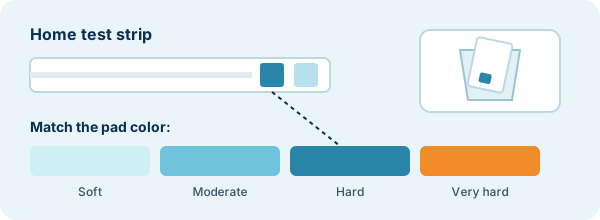
- Use a test strip: hardness test strips are cheap and give a result in seconds. Dip, wait and match the color.
- Use a drop test kit: more precise than strips; you count drops until the water changes color.
- Lab test: best for well water, since it can check hardness, iron and other contaminants at the same time.
See our step-by-step guide on how to test water hardness at home.
How to Fix Hard Water
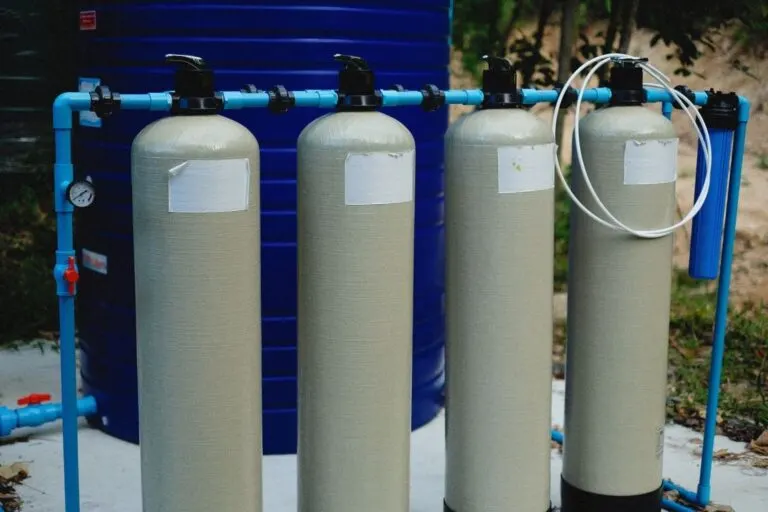
- Salt-based water softener: the most effective whole-home fix. It removes calcium and magnesium through ion exchange. Learn how water softeners work.
- Salt-free water conditioner: reduces scale buildup without salt, but does not actually remove the minerals.
- Reverse osmosis (RO): removes most minerals from drinking water at one tap, such as the kitchen sink.
- Quick fixes: soak faucets and shower heads in white vinegar to dissolve scale, and use a rinse aid in the dishwasher.
A softener is usually worth considering if your water is above about 7 GPG and you notice several of the signs above. For more help choosing, see our complete guide to water softeners.
Frequently Asked Questions
Is it safe to drink hard water?
Yes. Hard water is safe to drink for most people. The calcium and magnesium in it are not harmful, and the EPA sets no health limit for water hardness.
What is considered hard water in GPG?
Water above about 7 grains per gallon (121 mg/L) is considered hard, and above 10.5 GPG (180 mg/L) is very hard. Below 3.5 GPG is soft.
Does boiling water make it soft?
Only partly. Boiling removes temporary hardness from bicarbonates, which is why kettles get scale inside. It does not remove permanent hardness, and the minerals end up as scale instead.
Can hard water damage hair and skin?
Hard water can leave mineral residue that makes skin feel dry and hair feel dull or brittle. It does not cause serious harm, but many people notice softer skin and hair after softening their water.
Does a water filter remove hardness?
Most pitcher and carbon filters do not remove hardness. A water softener removes it for the whole home, and a reverse osmosis system removes most minerals from drinking water.
The Bottom Line
Hard water is simply water with a lot of dissolved calcium and magnesium. It is safe to drink, but above about 7 GPG it can cause scale, spotty dishes, dry skin and extra wear on appliances. Test your water first, then decide whether a softener makes sense for your home.
Sources: USGS: Water hardness in the United States; World Health Organization: Hardness in drinking-water.