How Does a Water Softener Work? Ion Exchange Explained
Last updated: November 7, 2026 · Sources: USGS, U.S. EPA, NSF, Water Quality Association
A water softener works through ion exchange. Hard water flows through a tank of tiny resin beads that carry sodium (or potassium) ions. The beads grab the calcium and magnesium that make water hard and release sodium in their place, so soft water flows to your taps. When the beads are full of hardness minerals, the softener regenerates: it rinses them with salty brine from the brine tank, which washes the hardness down the drain and recharges the beads.
Water softeners are one of the most common water treatment systems in American homes, yet most people never see what happens inside the tank. This guide explains, step by step, what a water softener does, the parts inside it, the chemistry of ion exchange, how regeneration works and what a softener can and cannot remove.
How a water softener works at a glance
- Process: ion exchange (cation exchange)
- Removes: calcium and magnesium (hardness), plus small amounts of ferrous iron and manganese
- Main parts: resin tank, brine tank and control valve
- Uses: sodium chloride (salt) or potassium chloride to recharge the resin
- Regenerates: every few days, usually at night, in about 1.5 to 2 hours
- Does not remove: bacteria, lead, PFAS, chlorine or most chemicals
What Does a Water Softener Do?
A water softener removes the minerals that make water “hard,” mainly calcium and magnesium. Groundwater picks up these minerals as it moves through limestone, chalk and dolomite. They are not a health risk, but when hard water is heated or dries on a surface, calcium carbonate comes out of the water as limescale.
By removing hardness, a softener stops scale from building up in pipes, water heaters, dishwashers and on faucets and shower glass. It also lets soap and detergent lather properly, so you use less of them. Hardness is measured in grains per gallon (GPG) or milligrams per liter (mg/L) as calcium carbonate; 1 GPG equals 17.1 mg/L. Water above about 7 GPG is considered hard. Learn more in what is hard water, or check your area with our water hardness by ZIP code tool.
The Main Parts of a Water Softener
| Part | What it does |
|---|---|
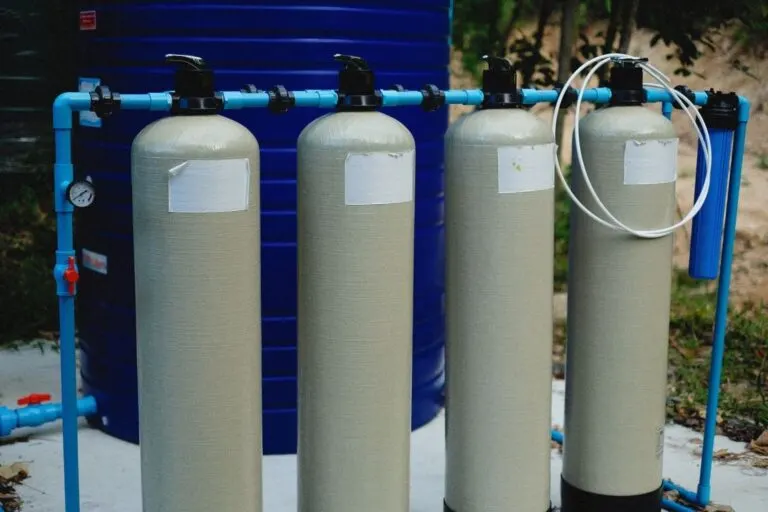
| Resin tank (mineral tank) | A tall tank, usually fiberglass, filled with ion exchange resin beads. This is where softening happens. |
| Ion exchange resin | Small plastic beads (usually sulfonated polystyrene) with a negative charge that attract positively charged minerals. |
| Distributor tube | A pipe down the center of the resin tank that carries softened water back up to the valve. |
| Brine tank | A shorter tank that holds salt or potassium pellets and water, which mix into brine. |
| Control valve (control head) | The “brain” on top of the resin tank. It tracks water use or time and runs regeneration. Fleck and Clack are two common valve makers. |
| Bypass valve | Lets water skip the softener for repairs or outdoor use. See our bypass valve guide. |
| Drain line | Carries the hardness-filled brine away during regeneration. |
How Ion Exchange Works

Ion exchange is the chemistry at the heart of every salt-based water softener. Here is what happens:
- The resin beads are charged. Each bead is covered with negatively charged sites. After regeneration, those sites hold sodium ions (Na+), or potassium ions (K+) if you use potassium chloride.
- Hard water flows through. Calcium (Ca2+) and magnesium (Mg2+) ions carry a stronger positive charge than sodium, so the resin holds on to them more tightly.
- The beads trade. Each calcium or magnesium ion takes a spot on a bead and releases two sodium ions into the water. Because resin attracts positive ions (cations), this is called cation exchange.
- Soft water flows out. The water leaving the tank has almost no hardness. It now contains a small amount of sodium instead.
The water flows through the unit while the resin releases its sodium ions and readily trades them for the calcium and magnesium ions.
The same process captures small amounts of dissolved (ferrous) iron and manganese, which is why softeners can help with light iron on well water.
How Regeneration Works
Resin can only hold so much hardness. Its capacity, measured in grains, is the number on the box, such as 32,000 or 48,000 grains. When the resin is nearly full, the control valve starts a regeneration cycle:
- Backwash: water flows up through the resin to loosen the bed and flush out sediment.
- Brine draw: concentrated salt water from the brine tank flows through the resin. The flood of sodium ions forces calcium and magnesium off the beads.
- Slow and fast rinse: fresh water rinses the leftover brine and the released hardness down the drain.
- Brine refill: the brine tank refills with water so new brine is ready for next time.
Most softeners regenerate at night, around 2 AM, and the cycle takes about 1.5 to 2 hours. A metered (demand-initiated) softener regenerates based on how much water you have used, which saves salt and water compared with a timer-based model.
Single-Tank vs. Twin-Tank Softeners
- Single-tank softeners are the most common. During regeneration, the house gets hard water through the bypass, which is why it is scheduled for the middle of the night.
- Twin-tank (dual-tank) softeners have two resin tanks. One softens while the other regenerates, so you always have soft water. They suit large families, very hard water or homes that use water around the clock.
Salt vs. Potassium Chloride
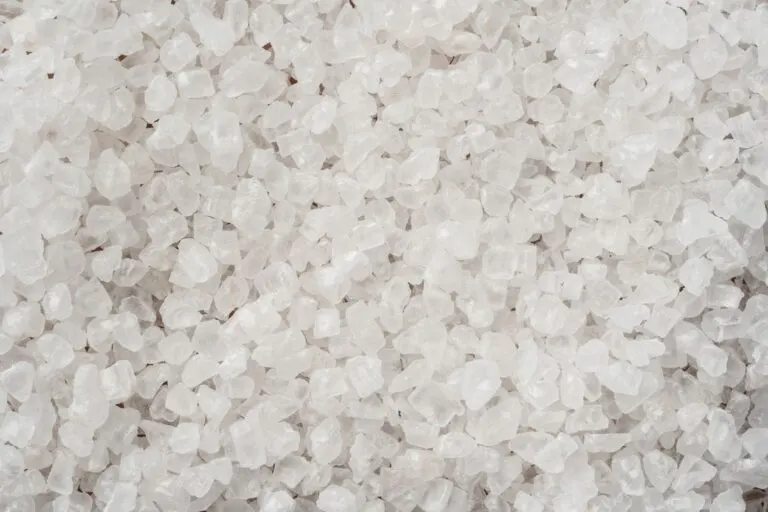
Most softeners use sodium chloride (salt) pellets or crystals because they are cheap and effective. Potassium chloride works the same way and adds potassium instead of sodium, which some people on low-sodium diets prefer. It costs more and is a little less efficient, so you may need to raise the salt setting. See our water softener salt guide for the types of salt.
What a Water Softener Removes and What It Does Not
| Removes or reduces | Does not remove |
|---|---|
| Calcium (hardness) | Bacteria and viruses |
| Magnesium (hardness) | Chlorine and chloramine |
| Small amounts of ferrous iron | Lead, arsenic, PFAS and nitrate |
| Small amounts of manganese | Sediment (and sediment can damage it) |
| Some radium and barium | Bad tastes and odors such as sulfur |
A softener is not a water filter. For chlorine, chemicals or drinking water quality, pair it with a carbon filter or reverse osmosis. See all the options in types of water filters.
Salt-Based Softeners vs. Salt-Free Conditioners
Only salt-based softeners actually remove hardness. Salt-free systems, usually using template-assisted crystallization (TAC), change hardness minerals into microscopic crystals that are less likely to stick as scale, but the calcium and magnesium stay in the water. You will not get the slippery feel, better lather or spot-free glass that true soft water gives. Compare them in water softener vs. water conditioner and salt-free water softeners.
Is Softened Water Safe?
For most healthy people, yes. The sodium a softener adds is about 7.5 mg per quart for every grain per gallon of hardness removed, which is small compared with most diets. People on low-sodium diets can use potassium chloride or drink from a reverse osmosis tap. Many homes also leave the kitchen cold tap and outdoor spigots on unsoftened water.
How to Choose and Size a Softener
Start with your hardness number, then size the softener to your household’s daily use. A simple rule: people × 75 gallons × hardness (GPG) = grains per day. Choose a capacity that lasts about a week between regenerations. Look for a softener certified to NSF/ANSI 44, the standard for residential cation exchange softeners, or the Water Quality Association’s Gold Seal. Our water softener sizing guide walks through it, and our water softener cost guide covers prices.
Frequently Asked Questions
How does a water softener work in simple terms?
Hard water passes through resin beads that hold sodium. The beads trap calcium and magnesium and release sodium, so soft water comes out. When the beads are full, the softener rinses them with salt water to wash the hardness away and recharge them.
What does a water softener do to your water?
It removes the calcium and magnesium that cause scale, spotty dishes and poor soap lather. It also adds a small amount of sodium (or potassium). It does not disinfect water or remove most chemicals.
Why does a water softener need salt?
Salt is used to make brine, which recharges the resin beads during regeneration. The salt does not soften the water directly; it restores the beads’ supply of sodium so they can keep capturing hardness.
How often does a water softener regenerate?
Most homes regenerate every 2 to 7 days, depending on hardness, water use and softener size. Metered softeners regenerate only when the resin is nearly full, which saves salt and water.
Do water softeners remove contaminants?
Only a few. Softeners remove hardness and small amounts of iron and manganese, and can reduce radium and barium. They do not remove bacteria, lead, PFAS, nitrate or chlorine; use a filter or reverse osmosis for those.
Sources: USGS: Hardness of Water; EPA: Secondary Drinking Water Standards; NSF: Standards for Water Treatment Systems.