Water Softener vs Water Conditioner: Which Do You Need?
Last updated: November 5, 2026 · Standards: NSF/ANSI 44, DVGW W512
The main difference is simple: a water softener removes the calcium and magnesium that make water hard, while a water conditioner leaves those minerals in the water and changes them so they are less likely to form scale. Softeners use salt and give you true soft water. Salt-free conditioners need no salt or drain, but they do not soften water.
Both are sold to fix hard water, and the terms are often mixed up, even by sellers. This guide explains how each one works, what results you can really expect, and which one fits your home.
The short answer
- Choose a water softener if your water is hard or very hard and you want softer skin, better lather and fewer spots.
- Choose a salt-free conditioner if your hardness is moderate, you mainly want to protect pipes and appliances from scale, and you want no salt or maintenance.
- Only a softener actually removes hardness minerals.
Water Softener vs Water Conditioner at a Glance
| Water softener | Salt-free water conditioner | |
|---|---|---|
| How it works | Ion exchange: swaps calcium and magnesium for sodium or potassium | Usually TAC: changes minerals into tiny crystals that don’t stick |
| Removes hardness? | Yes | No, minerals stay in the water |
| Prevents scale | Yes | Reduces it |
| Soft, slippery feel | Yes | No |
| Spots on glass and dishes | Greatly reduced | Can still appear when water dries |
| Salt | Needs regular refills | None |
| Drain and electricity | Usually both | Usually neither |
| Adds sodium | A small amount | No |
| Wastewater | Some, during regeneration | None |
| Certification to look for | NSF/ANSI 44 | DVGW W512 or independent scale tests |
| Best for | Hard to very hard water | Moderate hardness, low maintenance |
What Is a Water Softener?
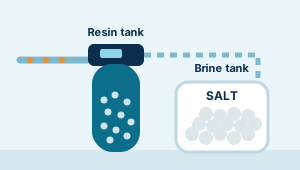
A water softener is a whole-home system that removes hardness. Water flows through a tank of resin beads that hold sodium (or potassium) ions. The beads grab calcium and magnesium and release sodium in their place. This process is called ion exchange.
When the resin is full, the softener runs a regeneration cycle. It rinses the beads with salty brine from a second tank, flushes the hardness minerals down the drain and is ready again.
Pros of a water softener
- Produces true soft water, usually close to 0 to 1 grain per gallon
- Stops scale in pipes, water heaters and appliances
- Soap and shampoo lather better, so you use less
- Fewer spots on dishes, glass and fixtures
- Many people notice softer skin and hair
- Works on very hard water and can remove small amounts of iron
Cons of a water softener
- Needs salt refills and occasional maintenance
- Needs a drain and usually electricity
- Adds a small amount of sodium to the water
- Uses some water during regeneration
- Some cities and counties restrict salt-based softeners because of the brine discharge
What Is a Water Conditioner?
“Water conditioner” is a broad term. Sellers use it for several different products, so it is worth knowing which one you are looking at:
- Salt-free conditioners (TAC): the most common type and the main alternative to a softener. Most use template assisted crystallization.
- Magnetic and electronic descalers: devices that clamp onto a pipe. Independent evidence for them is mixed.
- Carbon “conditioners”: filters that improve taste and reduce chlorine. They do not treat hardness at all.
In this guide, “water conditioner” means a salt-free TAC conditioner, since that is what most people compare with a softener.
How a salt-free water conditioner works

A TAC conditioner has one tank filled with special media. As water passes through, the media turns dissolved calcium and magnesium into microscopic crystals. These crystals stay suspended in the water and are much less likely to stick to pipes and heating elements as scale.
The minerals are still in your water. That is why a conditioner is often called a “salt-free water softener” in ads, even though it does not actually soften water.
Pros of a salt-free conditioner
- No salt to buy or carry
- No drain line, no electricity and no wastewater
- Very little maintenance; media typically lasts several years
- Adds no sodium and keeps healthy minerals in the water
- Allowed in areas that ban salt-based softeners
Cons of a salt-free conditioner
- Does not remove hardness, so there is no “soft water” feel
- Soap lather and skin feel stay about the same
- Water spots can still form when water evaporates on glass
- Less effective on very hard water
- Iron, manganese and some other conditions can foul the media, so check the maker’s limits
Which One Is Better for Your Home?

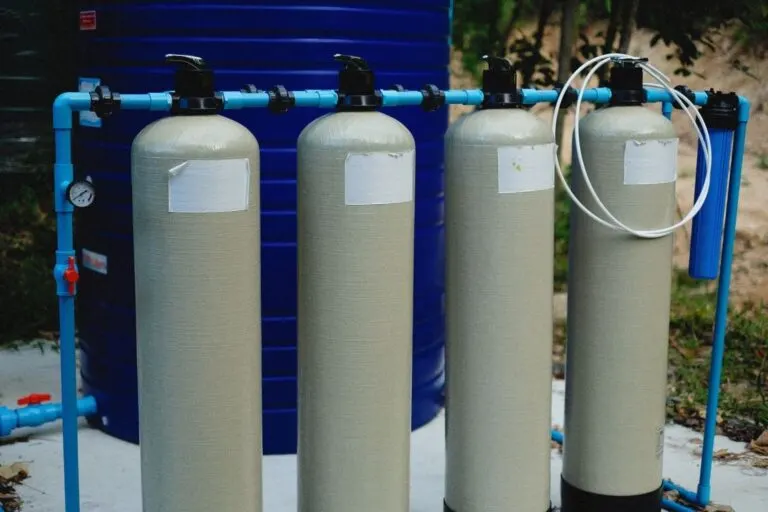
There is no single winner. The right choice depends on your water and what you want to fix.
| If this describes you… | Better choice |
|---|---|
| Water is hard or very hard (over about 10 GPG) | Water softener |
| You want softer skin and hair and better soap lather | Water softener |
| You are tired of spots on dishes and glass | Water softener |
| Your water also has some iron | Water softener (sized for iron) |
| Hardness is moderate and you mainly want to stop scale | Salt-free conditioner |
| You don’t want to buy or carry salt | Salt-free conditioner |
| There is no drain or outlet near your main line | Salt-free conditioner |
| Your city restricts salt-based softeners | Salt-free conditioner |
| You are on a sodium-restricted diet | Conditioner, or a softener with potassium chloride |
Not sure how hard your water is? Start with our guide on how to test water hardness at home, then come back to this table.
Is a Salt-Free Water Softener a Real Softener?
For a full guide, see our salt-free water softener guide. No. By definition, a water softener removes hardness minerals. A “salt-free water softener” is a conditioner: it reduces scale but leaves calcium and magnesium in the water. If a test after installation still shows the same hardness, the system is working as designed.
That doesn’t make salt-free systems a scam. For scale protection in homes with moderate hardness, a good TAC conditioner can work well. Just buy one for the right reason, and ask for independent test results, such as testing to the German DVGW W512 standard for scale reduction.
What About Magnetic and Electronic Water Conditioners?
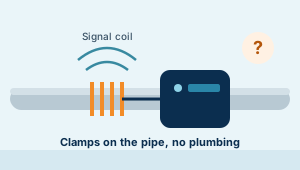
These devices clamp onto your main water pipe and use magnets or electrical signals that are claimed to reduce scale. They are cheap and easy to install, but independent evidence for how well they work is mixed, and they do not remove hardness. We treat their claims with caution and would not rely on one for very hard water.
Can You Use Both a Softener and a Conditioner?
You usually don’t need both for hardness, since a softener already prevents scale. But softeners are often paired with a carbon filter, which some sellers also call a conditioner. The carbon filter removes chlorine and improves taste, and it can help protect the softener’s resin from chlorine.
Frequently Asked Questions
What is the difference between a water softener and a water conditioner?
A water softener removes calcium and magnesium through ion exchange, giving you soft water. A water conditioner leaves the minerals in the water and changes them so they are less likely to form scale. Only a softener actually softens water.
Do salt-free water softeners really work?
Salt-free systems can reduce scale buildup in pipes and appliances, especially with moderate hardness. They do not remove hardness, so they won’t improve soap lather, skin feel or water spots the way a salt-based softener does.
Which is better for well water, a softener or a conditioner?
Well water is often very hard and may contain iron, which can foul salt-free media. A salt-based softener, sized for both hardness and iron, is usually the better fit. Get a lab test first to see what your well water contains.
Is softened water bad for plants?
Water from a salt-based softener contains extra sodium, which is not ideal for houseplants and gardens over time. Many homes leave outdoor spigots on unsoftened water, or use a conditioner that adds no sodium.
Does a water conditioner remove chlorine?
Salt-free TAC conditioners do not remove chlorine. If you want to remove chlorine, you need a carbon filter, which is sometimes also sold as a “conditioner.”
The Bottom Line
If you want true soft water and have hard or very hard water, a water softener is the better choice. If your water is only moderately hard and you mainly want to prevent scale without salt or maintenance, a salt-free conditioner is a good option. Test your water first, then choose. For more help, see our complete guide to water softeners.
Related: What is hard water? · How to test water hardness